Glaucoma Testing & Eye Care at Advanced Eyecare of Hillsborough
Protecting Your Vision Through Early Detection
Glaucoma is one of the most serious eye conditions we evaluate and monitor at Advanced Eyecare of Hillsborough because it often develops quietly and without noticeable symptoms. Many patients are surprised to learn they have glaucoma since their vision may still appear normal. Unfortunately, once vision loss from glaucoma occurs, it cannot be reversed.
This is why routine comprehensive eye exams are essential. Early detection allows glaucoma to be identified and managed before permanent damage occurs, helping preserve long-term eye health.
Understanding Glaucoma
Glaucoma refers to a group of eye diseases that damage the optic nerve, which is responsible for sending visual information from the eye to the brain. In many cases, this damage is associated with increased eye pressure. However, glaucoma can also develop in patients whose eye pressure readings fall within the normal range.
The most common form, open-angle glaucoma, progresses slowly over time and typically without pain or noticeable changes in vision. Because of this gradual progression, regular eye exams are critical even for patients who feel their eyesight is stable.
Signs and Symptoms of Glaucoma
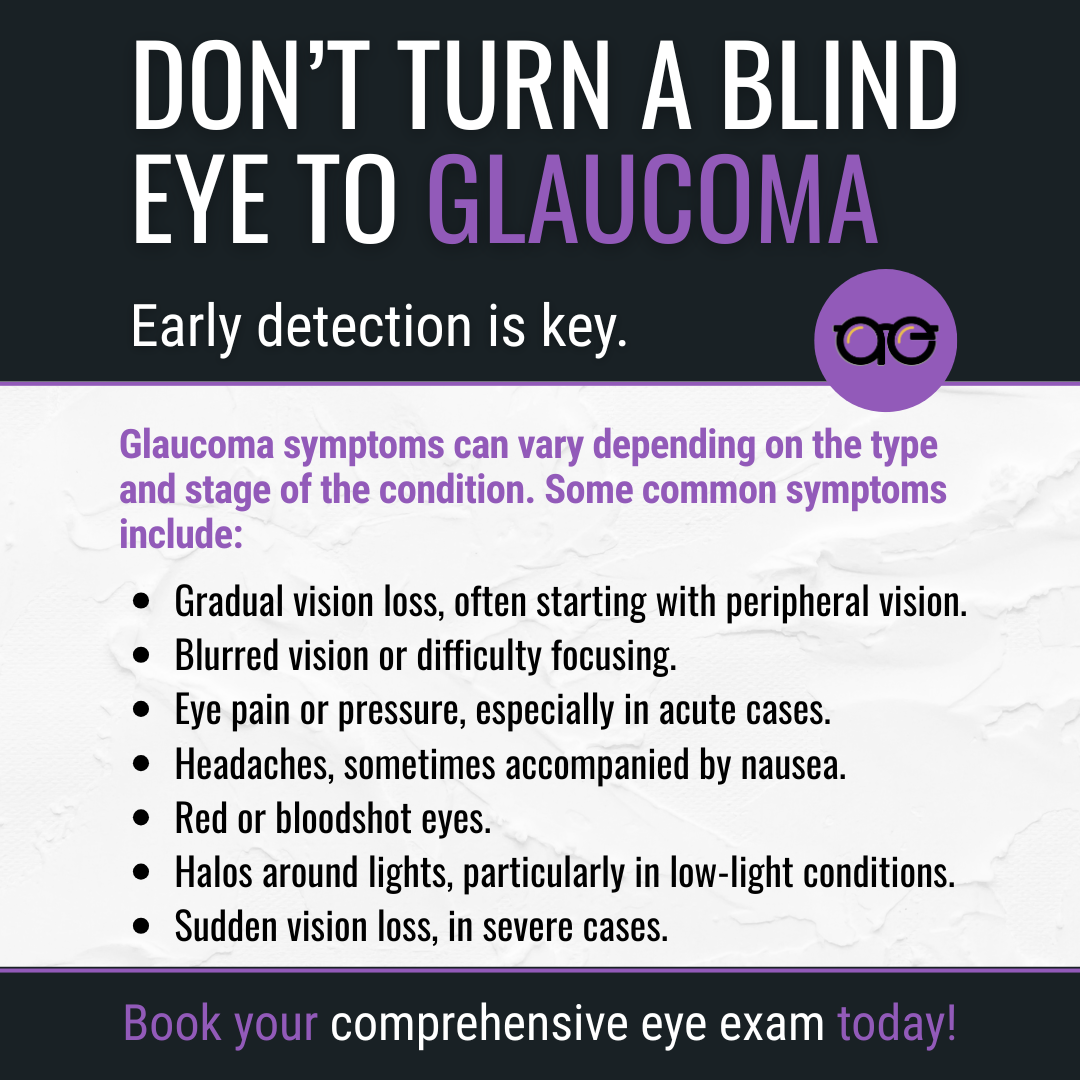
In the early stages, glaucoma usually causes no noticeable symptoms. As the condition progresses, patients may experience gradual loss of peripheral or side vision, difficulty seeing in low-light environments, or blurred vision. In more advanced stages, vision may narrow, creating a tunnel-like effect.
Some individuals may notice halos around lights or experience eye discomfort, although these symptoms are less common and are more often associated with certain types of glaucoma. Because symptoms typically appear only after damage has occurred, routine testing remains the most reliable way to detect glaucoma early.
Who Is at Risk for Glaucoma?
Anyone can develop glaucoma, but certain individuals are at higher risk. Risk factors include being over the age of forty, having a family history of glaucoma, or having medical conditions such as diabetes or high blood pressure. People who are significantly nearsighted or farsighted are also at increased risk.
Long-term use of steroid medications, previous eye injuries, and certain ethnic backgrounds, including African American and Hispanic populations, may further increase risk. Since glaucoma risk increases with age, regular eye exams become increasingly important over time.
How Glaucoma Is Detected
Glaucoma testing involves more than checking eye pressure alone. A comprehensive evaluation includes measuring eye pressure, examining the optic nerve through dilation, and using advanced imaging to assess optic nerve health. Visual field testing is also performed to evaluate peripheral vision, which is often affected first by glaucoma.
Corneal thickness measurements help ensure eye pressure readings are interpreted accurately. Together, these tests allow subtle changes to be detected early, often before noticeable vision loss occurs.
Glaucoma Care in Hillsborough, NJ
At Advanced Eyecare of Hillsborough, patients receive a comprehensive and medically focused approach to glaucoma testing and eye care. Early diagnosis, ongoing monitoring, and personalized treatment planning are essential to slowing disease progression and protecting vision.
If it has been more than a year since your last eye exam, or if you have risk factors for glaucoma, scheduling an evaluation is an important step toward safeguarding your eyesight.
Glaucoma Early Detection is Key